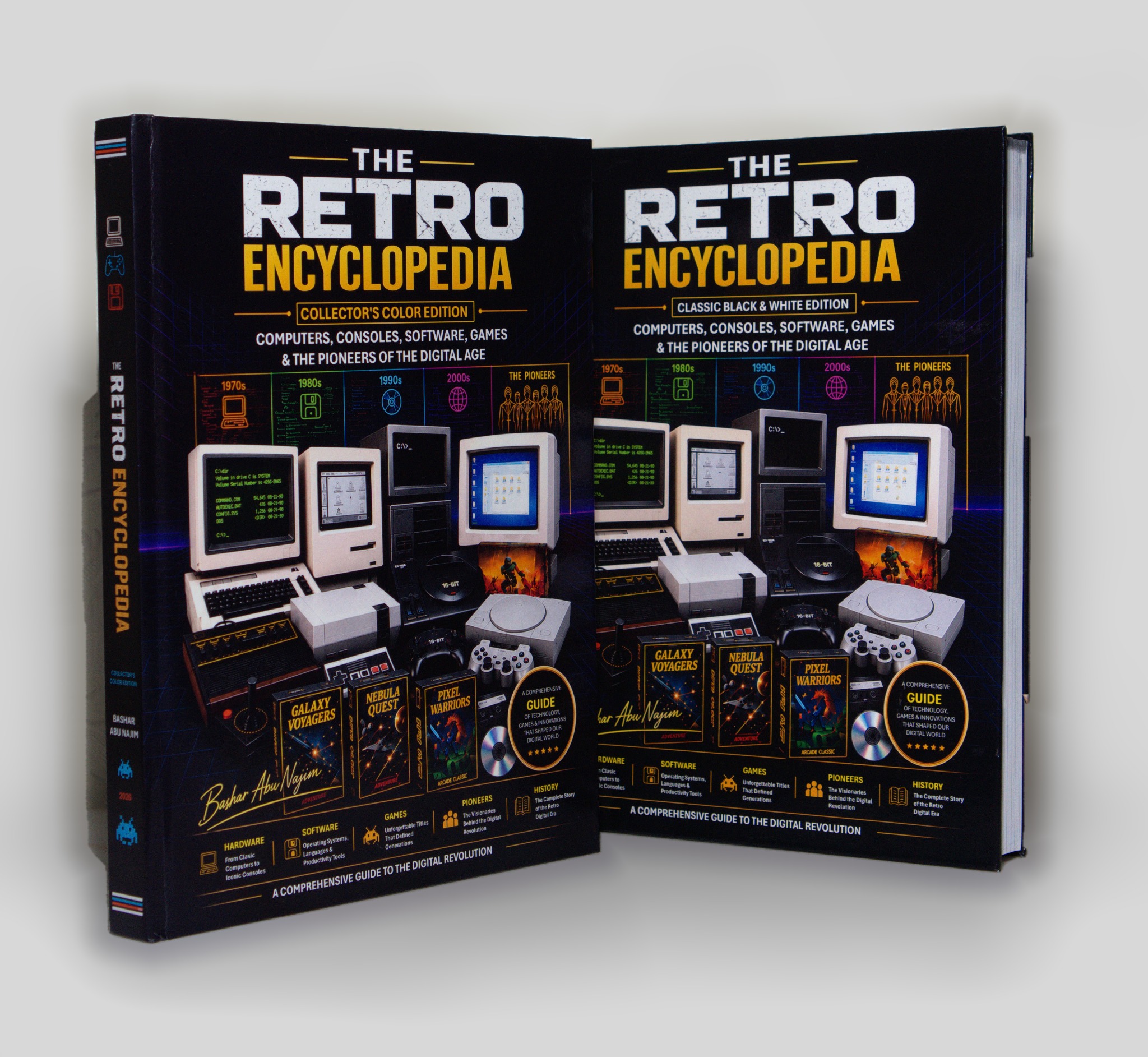
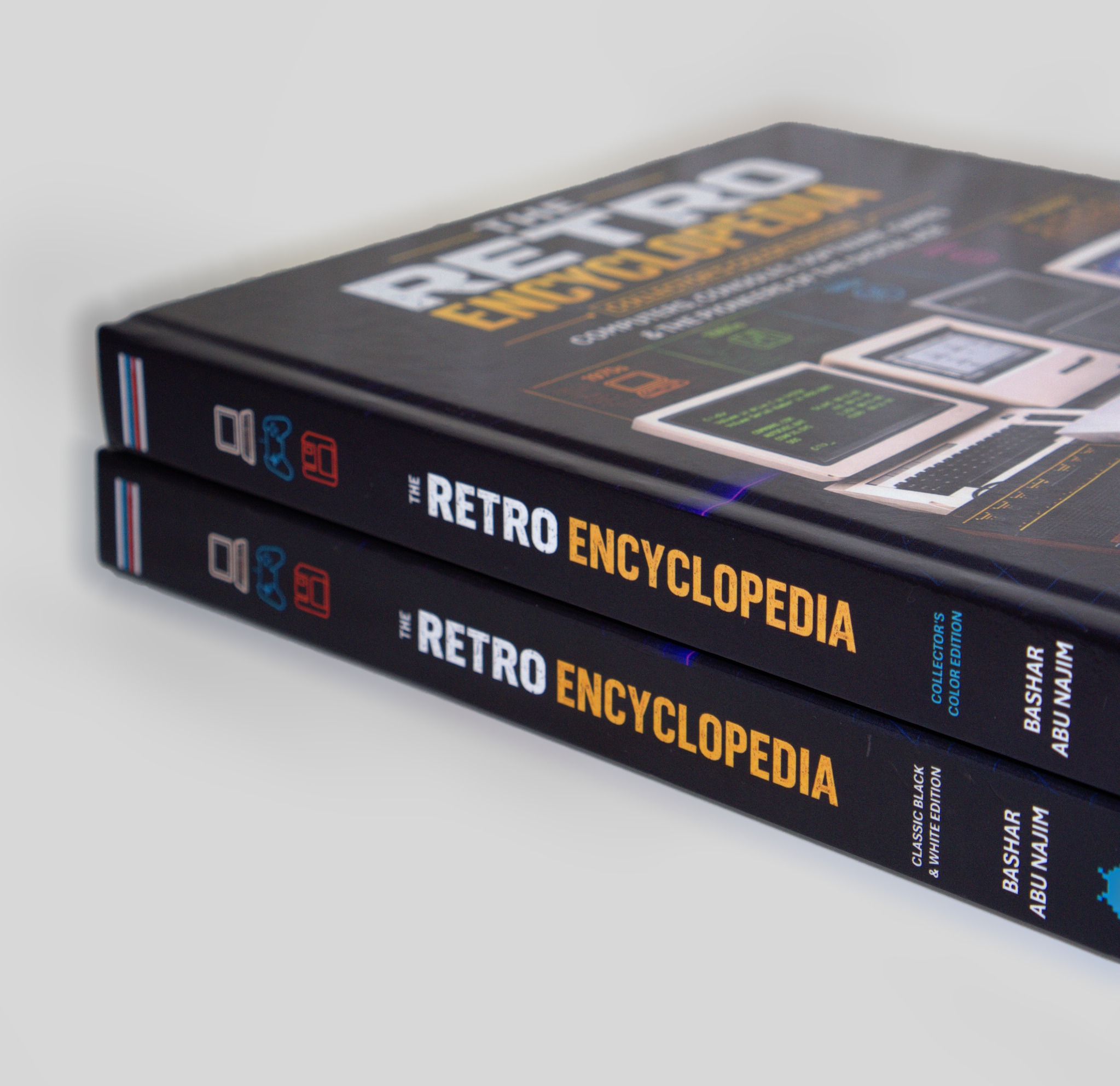
About the Project
By Bashar Abu Najim
Technology is so familiar that it’s easy to forget how recently much of it arrived. A computer that fits in your pocket can connect to a global network in seconds and perform tasks that once required a room full of equipment. Video games have grown from simple electronic diversions into vast worlds played by hundreds of millions of people.
Behind every device, operating system, console, and breakthrough in software is a history of invention, experimentation, success, and failure. The Retro Encyclopedia follows that history, from the machines that brought computing out of institutions and into homes to the ideas that still shape how we work, play, and communicate.
The five parts of the book
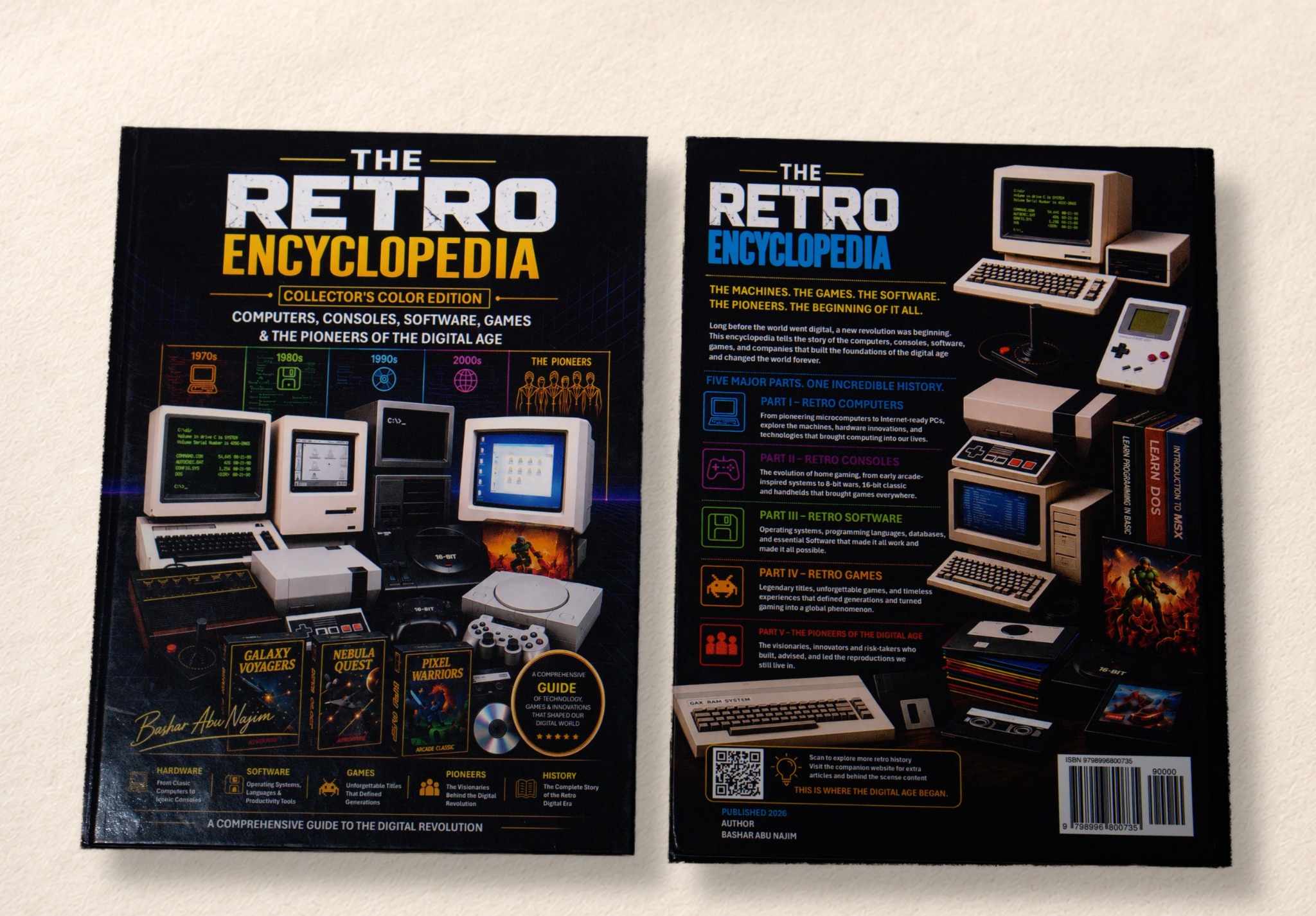
Part I — Retro Computers
From pioneering systems of the 1970s to the multimedia and internet-ready PCs of the late 1990s, this part follows the machines that launched personal computing and the storage, input, and networking innovations that made them practical.
Part II — Retro Consoles
The story of home gaming takes us from early arcade-inspired systems through the 16-bit console wars, the arrival of 3D gaming, and the rise of handhelds that let millions take their games with them.
Part III — Retro Software
Operating systems, programming languages, databases, internet applications, and system tools gave computers their capabilities and gave users new ways to create, communicate, and explore.
Part IV — Retro Games
The games that defined generations of players introduced new ways to play, launched lasting franchises, and helped turn gaming into a global industry.
Part V — The Pioneers of the Digital Age
The companies and people behind these advances shaped computing and gaming through their inventions, rivalries, successes, and failures. Their influence is still visible in the technology we use today.
Why retro still matters
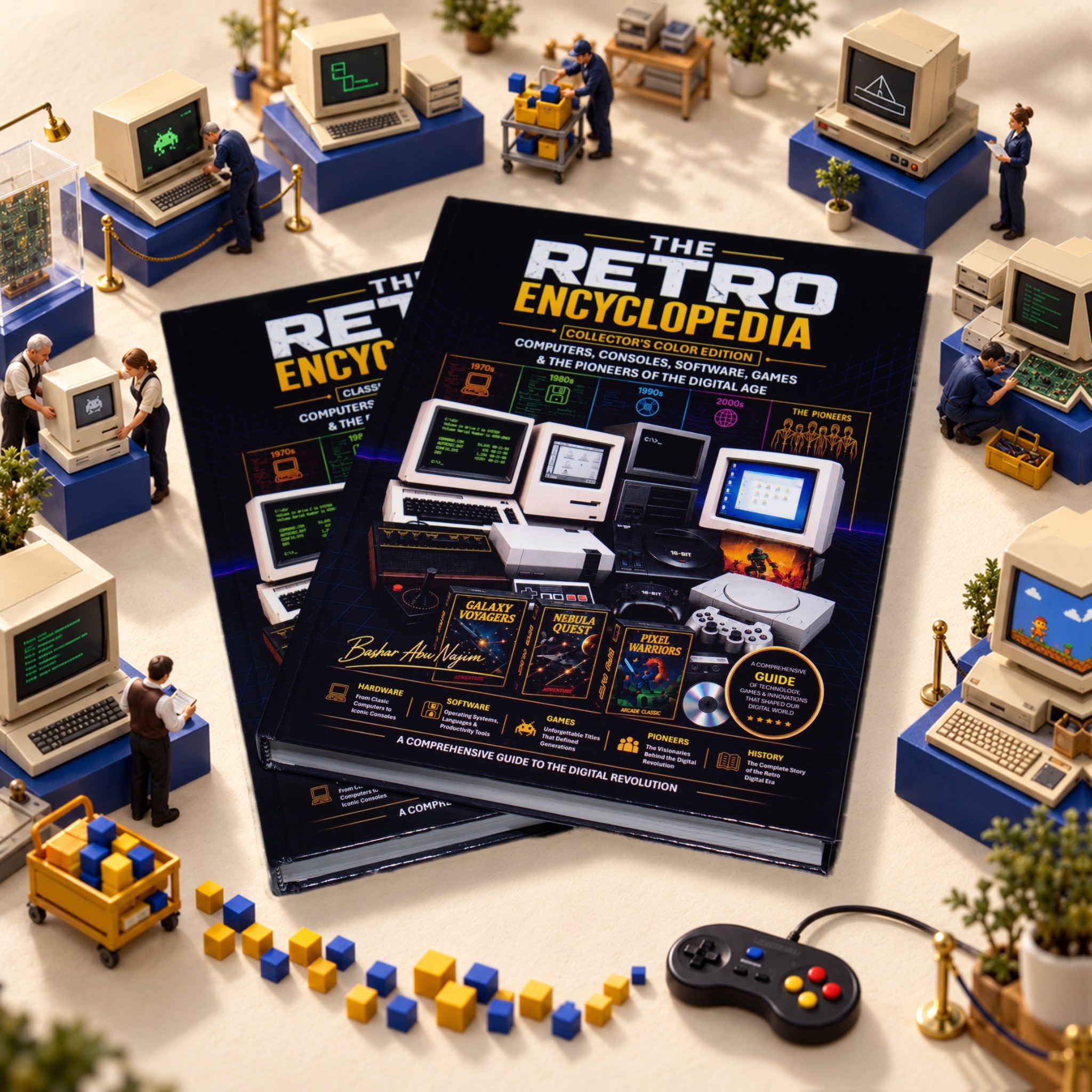
Old machines, software, and games can bring back memories. They also let us see the early forms of ideas we now take for granted. Our consoles, operating systems, smartphones, and online services grew out of experiments by engineers, programmers, and designers who had to show that those ideas could work.
Using a computer in those early years meant learning by doing. You read the manual, typed commands, adjusted settings, swapped disks, and solved problems without instant answers. Games often left you to figure out the rules for yourself. Getting something to work felt like a discovery because you had worked out how to do it.
People who were there watched those discoveries change everyday life. Arcade games grew into immersive worlds. Computers that once stood alone became part of a globally connected society. Year by year, sometimes month by month, machines that had seemed like curiosities became tools people depended on.
Today’s technology is faster, more reliable, and more accessible. Understanding how it developed makes those advances all the more remarkable. Preserving the machines, games, software, and stories of that era keeps a record of how the digital world was built, one invention and one generation at a time.
The Retro Encyclopedia is dedicated to that beginning and to the people who made it possible. Their story is part of ours.